
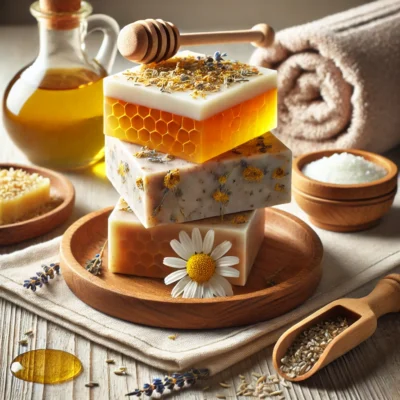
 With so many commercial soaps on the market, it’s easy to overlook the benefits of handmade soap. Unlike mass-produced soaps filled with harsh chemicals and synthetic fragrances, handmade soaps are crafted with natural, skin-loving ingredients that nourish, cleanse, and hydrate without stripping the skin.
If you’re looking for a gentler, eco-friendly alternative, handmade soap is the way to go. Let’s explore the many benefits of handmade soap for the skin, why it’s superior to conventional options, and how to choose the best one for your needs.
Why Choose Handmade Soap Over Commercial Soap?
Most store-bought soaps contain detergents, preservatives, and artificial fragrances that can irritate the skin and cause dryness. Handmade soaps, however, are made in small batches using natural oils, butters, and botanicals to provide a more nourishing cleanse.
Key Differences Between Handmade and Commercial Soap
| Feature | Handmade Soap | Commercial Soap |
|---|---|---|
| Ingredients | Natural oils, butters, essential oils, herbs | Synthetic detergents, preservatives, and artificial fragrances |
| Glycerin Content | Retains natural glycerin for hydration | Often stripped of glycerin, leading to dryness |
| Skin Benefits | Moisturizes, soothes, and nourishes | Can cause irritation and dryness |
| Eco-Friendly? | Often biodegradable with minimal packaging | May contain harsh chemicals and excessive plastic packaging |
Handmade Soap Benefits for the Skin
1. Gentle and Moisturizing
Unlike commercial soaps that strip away natural oils, handmade soaps retain glycerin, a natural humectant that attracts moisture to the skin. This helps:
✔ Keep skin soft and hydrated
✔ Prevent excessive dryness and flakiness
✔ Support the skin’s natural barrier function
2. Made with Natural Ingredients
Handmade soaps often contain plant-based oils, butters, and essential oils that offer skin-nourishing benefits.
Common Ingredients & Their Benefits:
- Shea Butter – Deeply hydrates and soothes dry, irritated skin.
- Coconut Oil – Provides gentle cleansing and antibacterial properties.
- Olive Oil – Rich in antioxidants, protecting the skin from damage.
- Aloe Vera – Helps heal and calm sensitive or inflamed skin.
- Oatmeal – Naturally exfoliates and soothes itchy or irritated skin.
By avoiding synthetic additives, handmade soaps are ideal for people with sensitive skin, eczema, or allergies.
3. No Harsh Chemicals or Synthetic Additives
Many commercial soaps contain sulfates, parabens, and artificial fragrances that can strip the skin of its natural oils and lead to irritation. Handmade soaps are typically free from these irritants, making them a gentle choice for all skin types.
 4. Supports Skin Health with Essential Oils
 4. Supports Skin Health with Essential Oils
Handmade soaps often contain essential oils that provide natural therapeutic benefits beyond cleansing.
Popular Essential Oils & Their Benefits:
- Lavender Oil – Soothes irritation, promotes relaxation, and reduces stress.
- Tea Tree Oil – Antibacterial and great for acne-prone skin.
- Peppermint Oil – Refreshing and helps with inflammation.
- Rosemary Oil – Improves circulation and revitalizes the skin.
These natural oils enhance your skincare routine without synthetic perfumes or dyes.
5. Eco-Friendly & Sustainable Choice
Many handmade soaps are crafted with biodegradable, cruelty-free ingredients and come in minimal or plastic-free packaging. Choosing handmade soap helps:
✔ Reduce plastic waste
✔ Support local artisans and small businesses
✔ Protect the environment from synthetic chemicals
6. Can Help with Skin Conditions
Because handmade soaps use natural, skin-loving ingredients, they can provide relief for common skin issues such as:
✔ Eczema & Psoriasis – Oatmeal, aloe vera, and shea butter can soothe irritation.
✔ Acne-Prone Skin – Tea tree oil, activated charcoal, and honey help cleanse and detoxify.
✔ Sensitive Skin – Unscented, hypoallergenic formulas with olive or coconut oil reduce irritation.
How to Choose the Best Handmade Soap for Your Skin Type
For Dry Skin
- Look for shea butter, cocoa butter, or olive oil for deep hydration.
- Avoid soaps with strong essential oils that could be drying.
For Oily or Acne-Prone Skin
- Choose soaps with charcoal, tea tree oil, or clay to absorb excess oil.
- Avoid heavy butters that may clog pores.
For Sensitive Skin
- Go for unscented or lightly scented soaps with aloe vera or oatmeal.
- Avoid citrus-based essential oils, as they can be irritating.
How to Make the Most of Your Handmade Soap
- Store It Properly – Keep your soap in a well-draining soap dish to prevent it from becoming mushy.
- Use a Soap Saver – A soap pouch or loofah helps extend the life of your bar.
- Lather Up Gently – Apply with warm water and a soft cloth or hands to cleanse without over-exfoliating.
Switching to handmade soap is a simple way to nourish your skin while making a more sustainable choice. With moisturizing ingredients, essential oils, and zero harsh chemicals, handmade soaps provide a gentle, eco-friendly alternative to commercial soaps.
Ready to experience the benefits? Treat your skin to chemical-free hydration and a luxurious cleansing experience with a high-quality handmade soap today!
Shop Now or check out SoapyCheck our bestsellers!
Lip Care
Lip Care
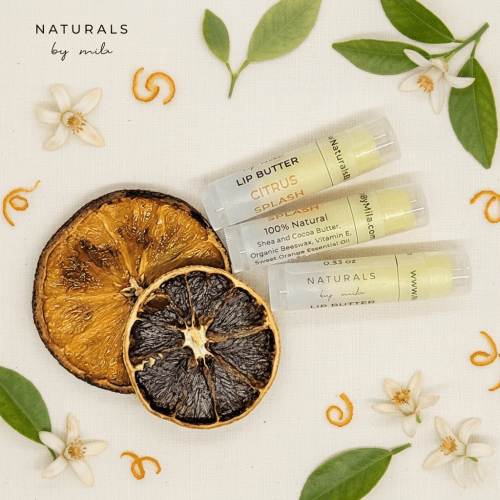
Lip Care
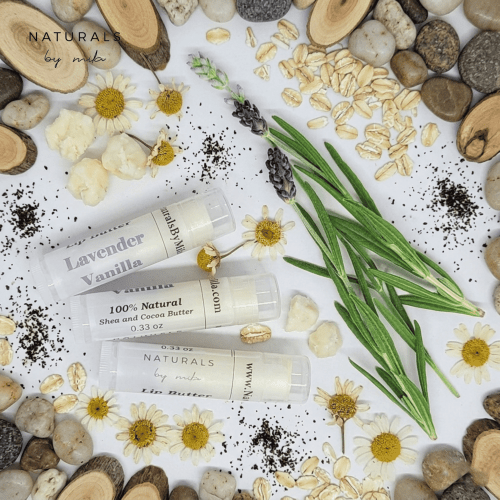
Lip Care
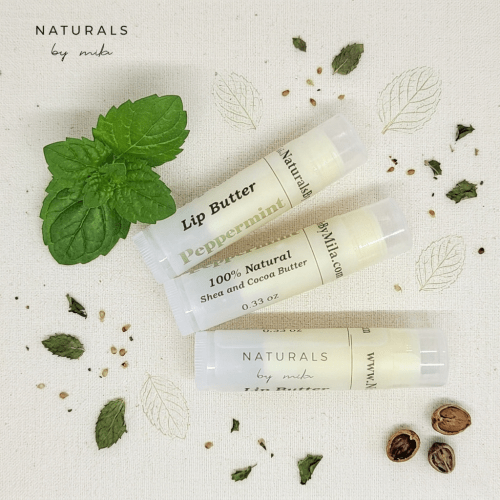
Lip Care
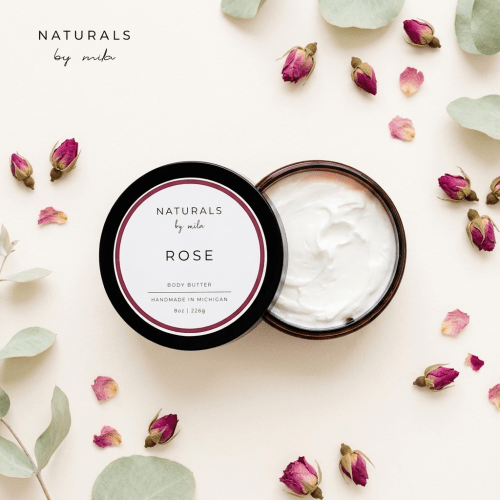
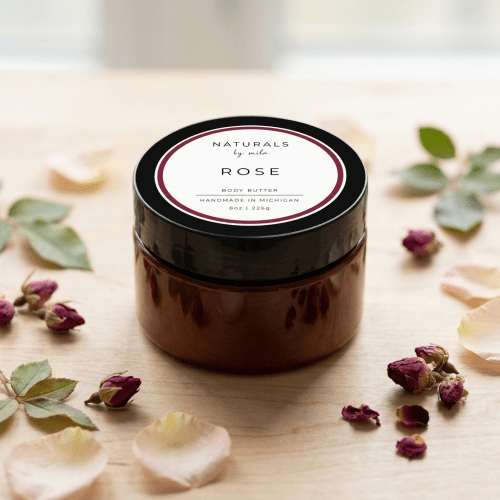
Body Butters
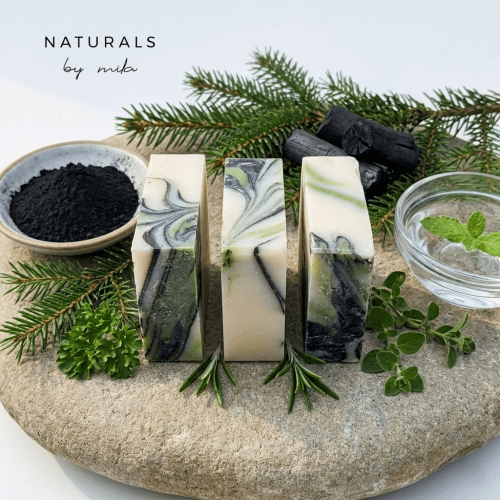
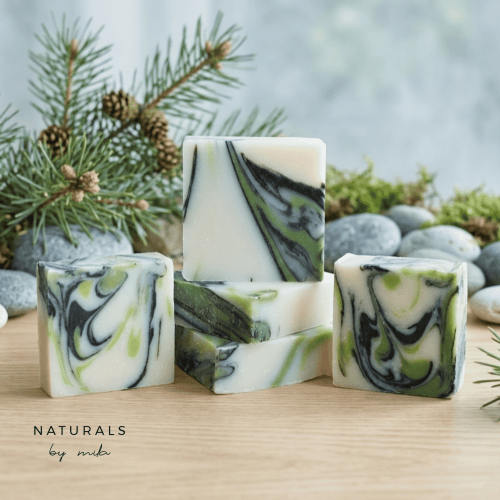
Bath Soap
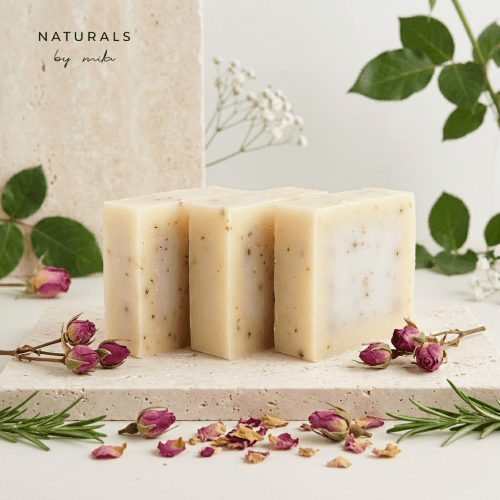
Bath Soap
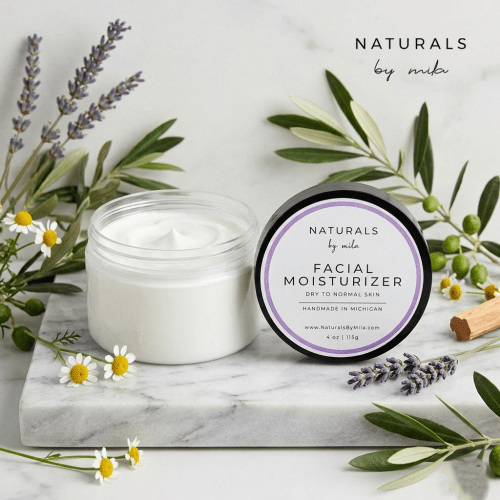
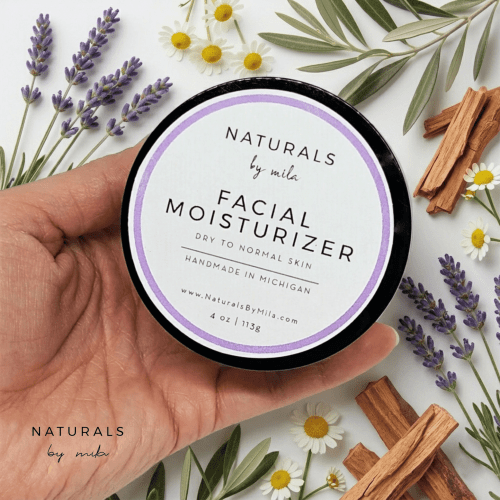
Facial Moisturizer