
 When it comes to battling dry skin, nature offers some incredible solutions. Among the most popular and effective are shea butter and cocoa butter. You’ll find these two powerhouses in everything from lotions to lip balms, often touted as miracle workers for hydration. But if you’re standing in the skincare aisle—or browsing our online shop—wondering which one is actually right for you, you’re not alone.
While both are rich, natural plant fats that deeply moisturize, they have distinct differences in texture, scent, and benefits. In this guide, we’ll dive deep into the shea butter vs cocoa butter debate to help you decide which natural moisturizer deserves a spot in your skincare routine.
What is Shea Butter?
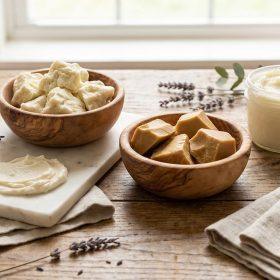
Shea butter is a fat extracted from the nut of the African shea tree (*Vitellaria paradoxa*). It has been used for centuries in West Africa not just for skincare, but also for cooking and medicinal purposes. In its raw form, it has an ivory or yellowish color and a distinctively nutty, earthy scent.
Key Benefits of Shea Butter
- Vitamin Powerhouse: It is incredibly rich in Vitamins A, E, and F, which are essential for maintaining healthy skin cells.
- Anti-Inflammatory: Shea butter contains cinnamic acid, which helps reduce skin inflammation, making it a great choice for conditions like eczema or acne.
- Non-Comedogenic: Despite its richness, shea butter has a rating of 0 on the comedogenic scale, meaning it won’t clog your pores.
If you have sensitive or acne-prone skin, shea butter is often the safer bet. Its healing properties make it ideal for soothing irritation while providing deep moisture.
What is Cocoa Butter?
Cocoa butter, also known as Theobroma oil, is the pale-yellow vegetable fat extracted from the cocoa bean. Yes, the same bean that gives us chocolate! This is why pure cocoa butter has a delightful, subtle chocolate aroma that many people love.
Key Benefits of Cocoa Butter
- Antioxidant Rich: Cocoa butter is packed with polyphenols, which are antioxidants that can help fight free radical damage and signs of aging.
- Protective Barrier: It is denser and harder than shea butter, creating a strong protective layer on the skin that locks in moisture for longer periods.
- Skin Elasticity: It is widely praised for its ability to improve skin elasticity and tone, which is why it’s a favorite for preventing stretch marks during pregnancy.
If you have extremely dry, rough patches (think elbows and heels) or want to improve skin elasticity, cocoa butter is a fantastic heavy-duty option.
Shea Butter vs. Cocoa Butter: The Showdown
So, how do they compare head-to-head? Let’s break it down by category to see which one reigns supreme for your specific needs.
1. Texture and Absorption
Shea Butter: It has a softer, more pliable consistency at room temperature. It melts on contact with the skin and absorbs relatively quickly, leaving a soft, non-greasy finish.
Cocoa Butter: It is much harder and solid at room temperature. It takes a bit more warmth to melt and feels heavier on the skin. This makes it excellent for sealing in moisture, but it can feel a bit greasy if over-applied.
2. Scent
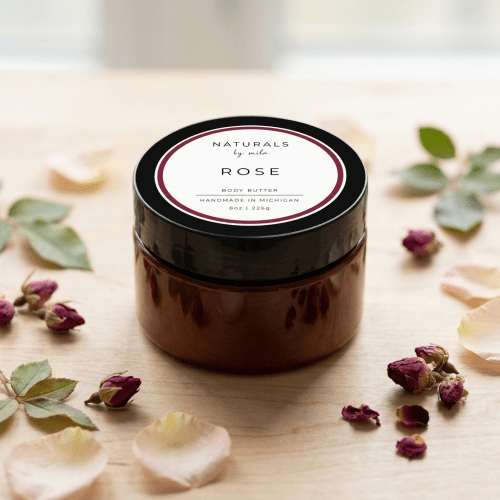
Shea Butter: Unrefined shea butter has a nutty, smoky smell that some find strong. However, in formulated products like our Body Butters, we blend it with essential oils so you get the benefits without the raw earthiness.
Cocoa Butter: It smells like chocolate. For many, this is a huge plus! It adds a warm, gourmand note to any skincare product.
3. Skin Type Suitability
Shea Butter: Best for all skin types, including oily, acne-prone, and sensitive skin.
Cocoa Butter: Best for very dry to normal skin. It can be slightly comedogenic (pore-clogging), so it’s better suited for the body rather than the face if you are prone to breakouts.
The Verdict: Which is Best for Dry Skin?
The truth is, there is no single winner in the shea butter vs cocoa butter battle—it depends on your dry skin needs.
Choose Shea Butter if:
- You have sensitive, inflamed, or acne-prone skin.
- You want a lighter moisturizer that absorbs quickly.
- You are looking to soothe eczema or psoriasis.
Choose Cocoa Butter if:
- You have severely dry, rough, or cracked skin.
- You want to improve skin elasticity or minimize stretch marks.
- You love the smell of chocolate and want a longer-lasting protective barrier.
Why Not Have Both?
Why choose one when you can have the best of both worlds? Many high-quality natural skincare products blend these two ingredients to create a super-moisturizer. By combining the healing, penetrating power of shea butter with the protective, antioxidant-rich qualities of cocoa butter, you get a product that hydrates deeply and keeps skin soft all day.
At Naturals by Mila, we understand the unique benefits of each butter. That’s why we carefully formulate our products to deliver the perfect balance of hydration and nutrition for your skin.
Bonus Tip: The Best Time to Apply
Whether you choose shea or cocoa butter, the timing of application makes a huge difference. The golden rule is to apply your moisturizer immediately after showering, while your skin is still slightly damp. This traps the water in your skin, maximizing hydration.
Pair your moisturizer with one of our Handmade Soaps to ensure you’re starting with a clean, non-stripped canvas.
Ready to give your dry skin the relief it craves? Explore our full range of natural solutions at Naturals by Mila.
Shop Now or check out SoapyCheck our bestsellers!
Lip Care
Lip Care
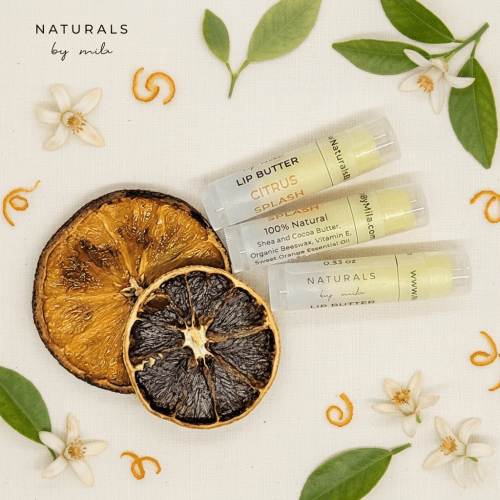
Lip Care
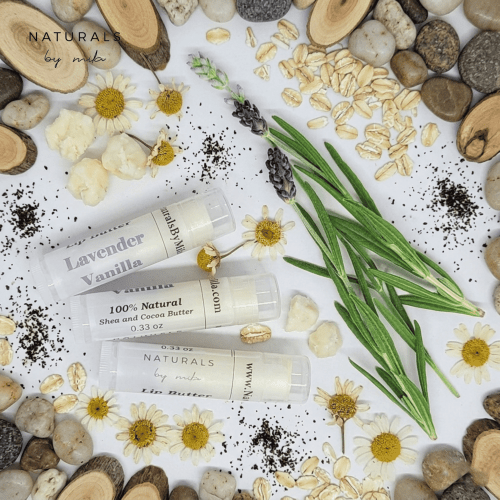
Lip Care
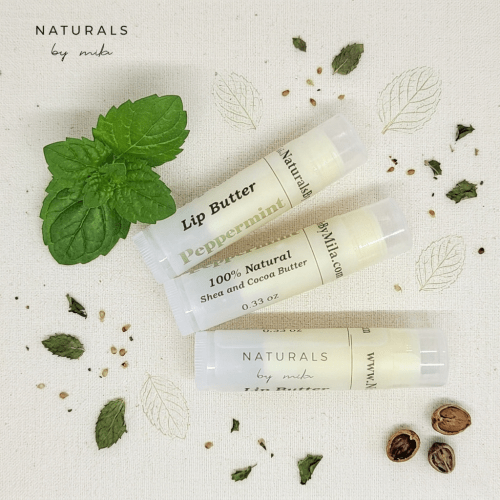
Lip Care
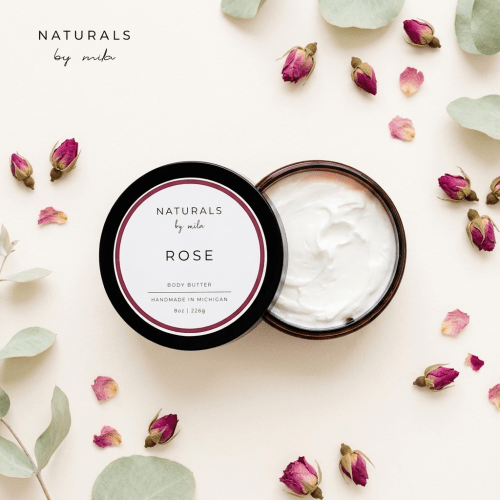
Body Butters
Bath Soap
Bath Soap
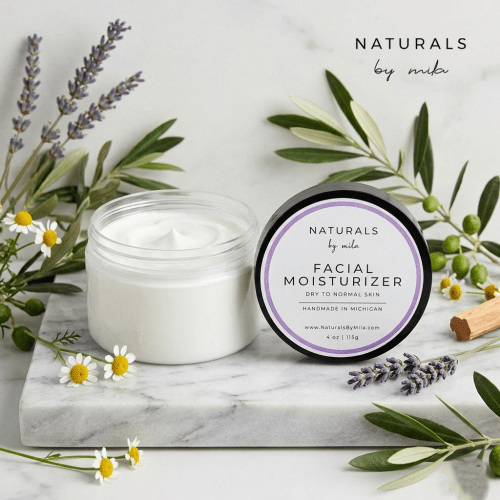
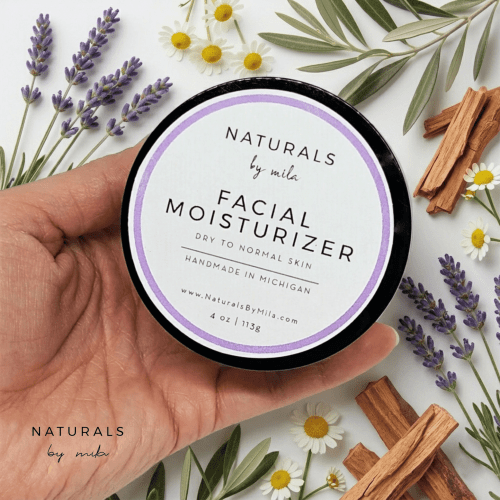
Facial Moisturizer