
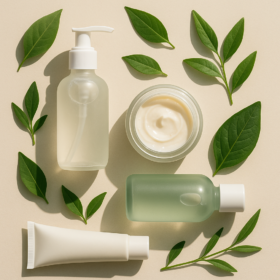
 Walk into any beauty aisle today, and you’re bound to see terms like “clean,” “natural,” “organic,” and “non-toxic” on product labels. But what do these words really mean? And more importantly—how can you trust what’s in the bottle or bar you’re using on your skin every day?
In the world of skincare and cosmetics, knowledge is power. Understanding product labels is the first step toward a healthier routine—and a cleaner planet. Here’s what you need to know about why clean beauty matters, and how to become an informed consumer.
🌿 What Is Clean Beauty?
Clean beauty refers to products made with non-toxic, skin-safe ingredients that are often ethically sourced, cruelty-free, and environmentally conscious. Clean beauty is not just about what’s in the product—but also what’s left out.
Clean beauty products typically:
-
Avoid harmful chemicals like parabens, phthalates, sulfates, and synthetic fragrances
-
Use plant-based or naturally derived ingredients
-
Are transparent about sourcing and formulation
-
Are cruelty-free and sometimes vegan
-
Often come in eco-friendly packaging
🔍 Why It Matters: Your Skin, Your Health
Your skin is your body’s largest organ—and it absorbs what you put on it. Many conventional products contain endocrine disruptors, carcinogens, and allergens that can build up in your system over time. Even small exposures, applied daily, can have long-term health effects.
Choosing clean beauty helps reduce your exposure to:
-
Parabens (linked to hormone disruption)
-
Phthalates (associated with reproductive toxicity)
-
Formaldehyde (a known carcinogen)
-
Synthetic fragrances (a cocktail of undisclosed chemicals)
🧴 How to Read and Understand Product Labels
1. Start with the Ingredient List
Ingredients are listed in descending order of concentration. Watch out for:
-
Unfamiliar chemical names
-
Long lists of hard-to-pronounce words
-
“Fragrance” or “parfum” without clarification (these often hide harmful compounds)
✅ Look for recognizable names like coconut oil, shea butter, essential oils, clay, and aloe vera.
2. Beware of Greenwashing
Just because a label says “natural” or “organic” doesn’t mean it’s safe. There’s little regulation on cosmetic labeling in many countries—including the U.S.
Red flags:
-
Vague claims without certifications
-
Branding that “looks” earthy but hides harsh ingredients
-
No transparency from the company about sourcing
3. Know Your Clean Certifications
While not all clean products are certified, trustworthy third-party labels can help you shop smarter:
-
EWG Verified
-
USDA Organic
-
Leaping Bunny (Cruelty-Free)
-
COSMOS Certified
-
Made Safe
You can also use tools like the EWG Skin Deep Database to research product safety.
💧 Clean Beauty = Sustainable Beauty
Clean beauty isn’t just better for your skin—it’s better for the planet.
Products made with biodegradable ingredients, plastic-free packaging, and ethical sourcing practices help reduce your environmental footprint. That means fewer chemicals in waterways, less plastic waste, and more support for small-batch artisans doing it right.
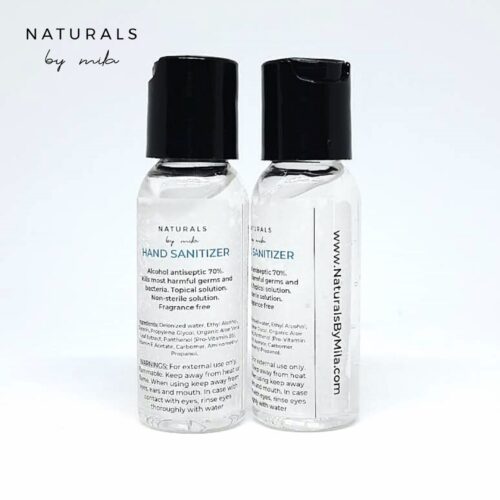
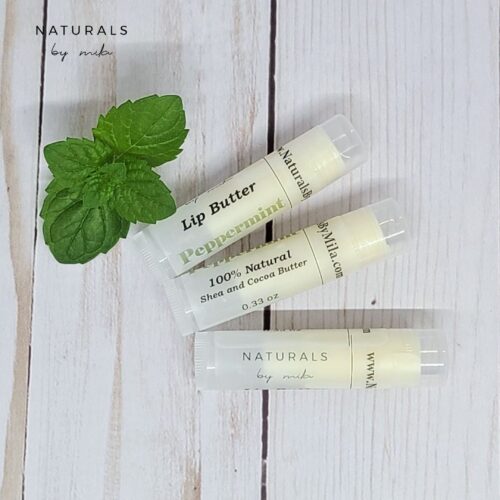
🌱 Naturals by Mila is proud to offer handmade bath and body products that align with clean beauty values: no harmful chemicals, no synthetic fragrance, no animal testing—just plant-powered skincare you can trust.
✨ The Bottom Line
Clean beauty matters because you matter. Your health, your choices, and your planet are worth protecting. Learning to decode product labels empowers you to make smart, conscious decisions that reflect your values.
Don’t just buy the trend—understand the truth behind the label.
🌸 Ready to Switch to Clean?
Explore the full line of clean, handmade bath and body products at Naturals by Mila. Every bar, butter, and scrub is crafted with love, transparency, and ingredients you can pronounce.
Because beauty should be clean—and so should your conscience.
Shop Now or check out SoapyCheck our bestsellers!

Lip Care

Lip Care

Body

Lip Care

Lip Care
Lip Care

Body Butters

Bath Soap

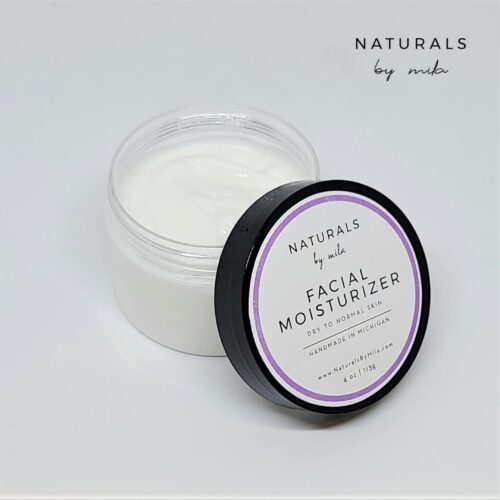
Facial Moisturizer

Bath Soap